
By TNRADMIN
01 Nov, 2025
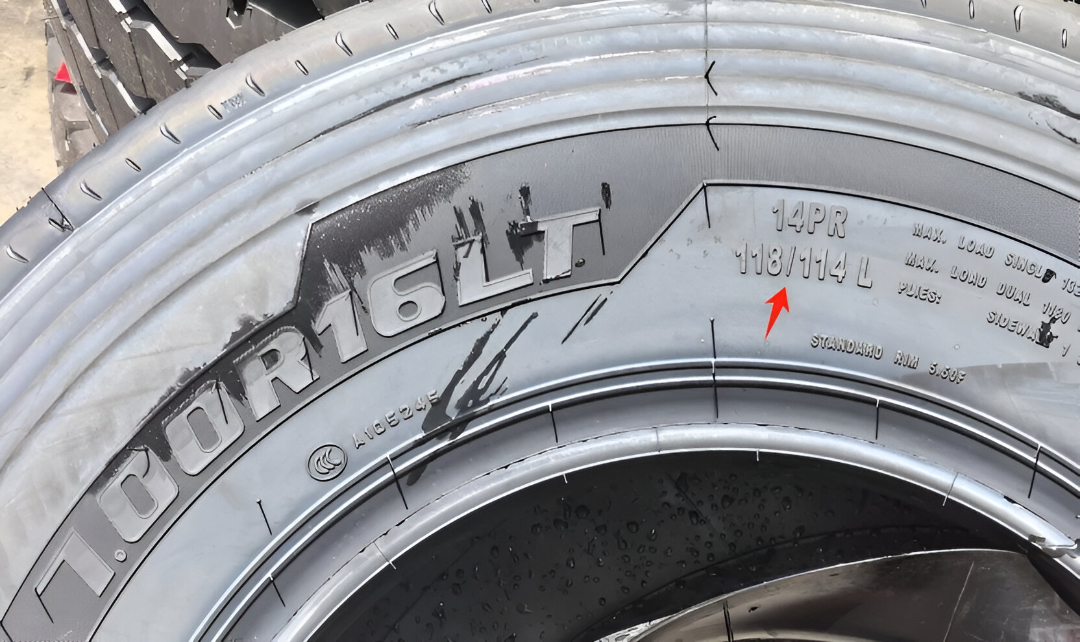
When selecting tires for a vehicle, one of the most critical factors to consider is the load index. This numerical code, found on the sidewall of a tire, indicates the maximum weight a tire can safely support when properly inflated. Understanding the load index is essential for ensuring vehicle safety, performance, and longevity. This essay explores the definition of load index, its significance, how to interpret it, and its impact on driving.
The load index is a numerical value assigned to a tire that corresponds to its maximum load-carrying capacity. It is part of the tire’s size designation, usually following the speed rating (e.g., 94H in a tire code means a load index of 94 and a speed rating of H). The higher the number, the greater the weight the tire can handle.
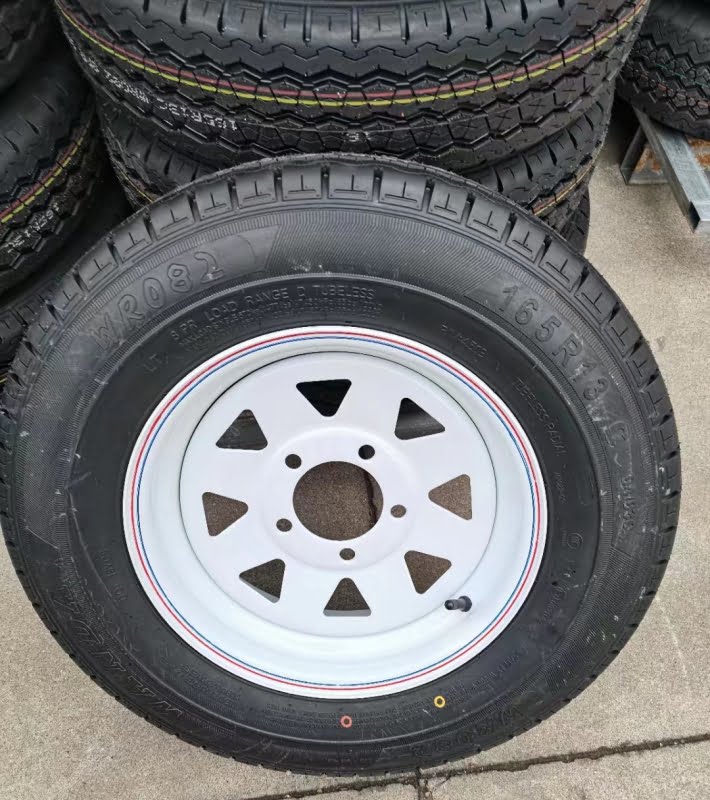
PCR tires are designed for light vehicles such as sedans, SUVs, and small vans. Their load index is standardized under the European Tyre and Rim Technical Organisation (ETRTO) and the Tire and Rim Association (TRA).
TBR tires are built for heavy-duty vehicles like trucks, buses, and commercial trailers. Due to their heavy load requirements, their load index system differs from PCR tires.
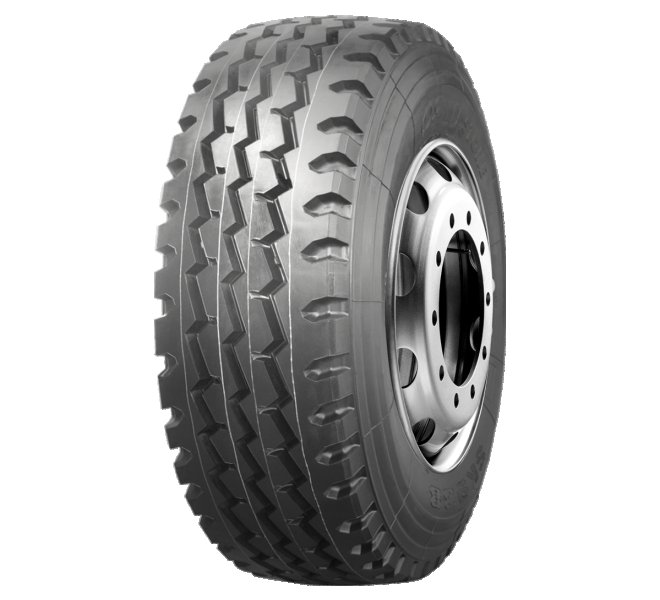

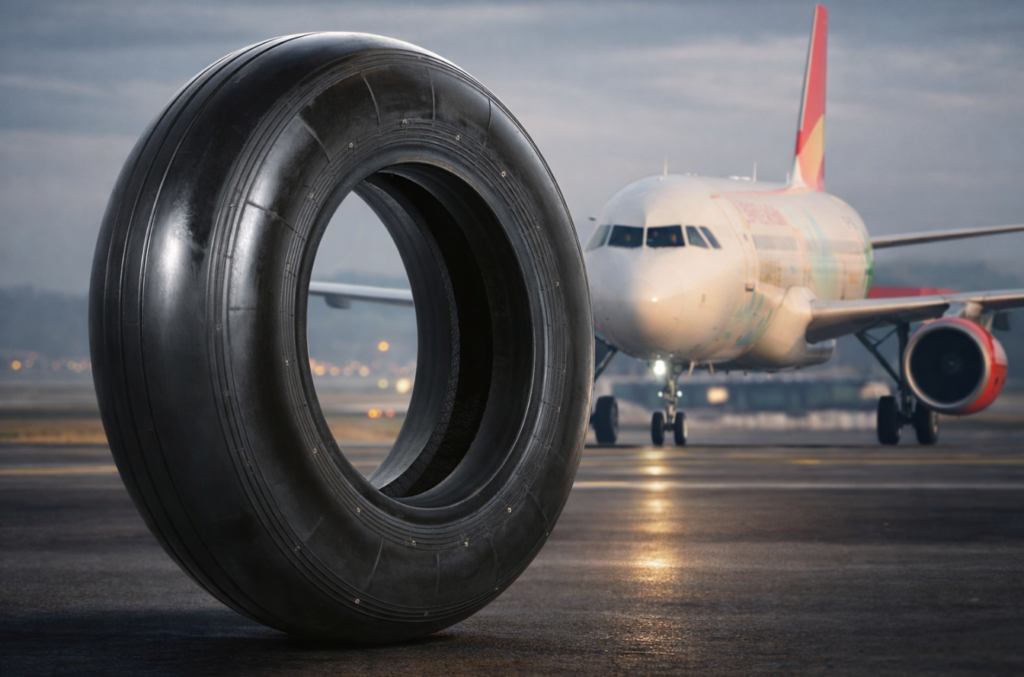
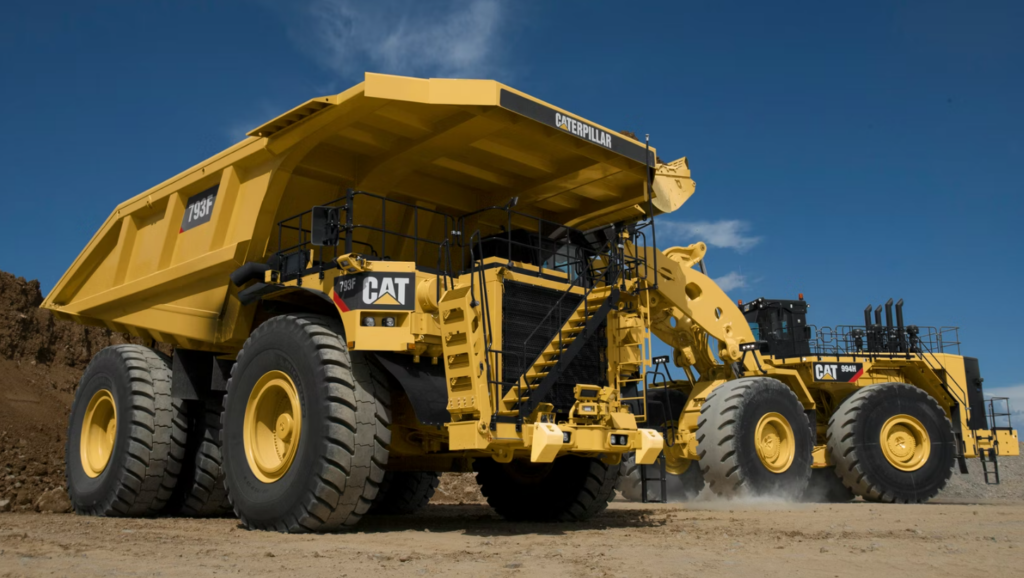
OTR tires are used in extreme conditions, such as mining, construction, and agriculture. These tires face irregular terrains and extreme loads, requiring a different load index approach.
| Tire Type | Load Index Range | Example Load Capacity | Common Applications |
|---|---|---|---|
| PCR | 70-110 | 91=615 kg (1,356 lbs) | Sedans, SUV, small vans |
| TBR | 100-150+ | 150=3,350 kg (7,385 lbs) | Trucks, buses, trailers |
| OTR | Ply Rating (PR) / Load Range | 12PR=4,000 kg (8,818 lbs) | Mining, construction, agriculture |
The load index is a crucial factor in selecting the right tires for PCR, TBR, and OTR applications.
While PCR tires use a standardized numbering system, TBR and OTR tires rely on higher load ranges or ply ratings due to their heavy-duty demands.
Understanding these differences helps drivers and fleet operators choose the safest and most efficient tires for their vehicles. Always check the manufacturer’s recommendations and consult tire professionals when replacing tires to ensure compliance with load requirements.
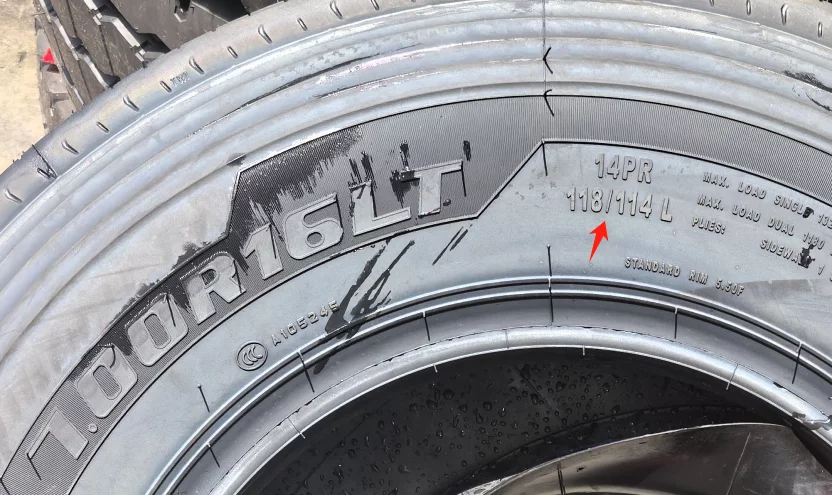
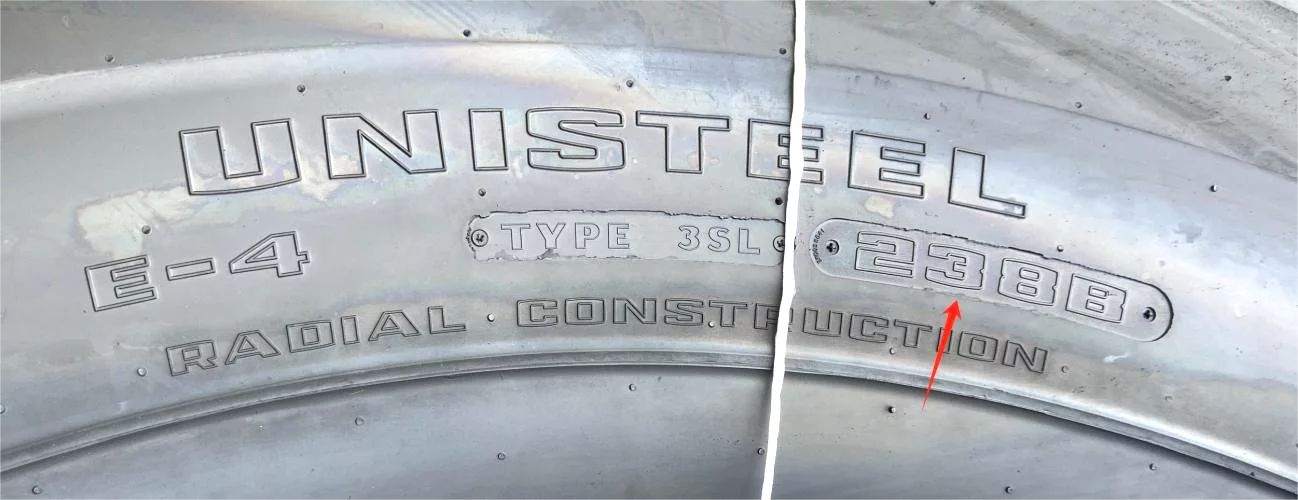
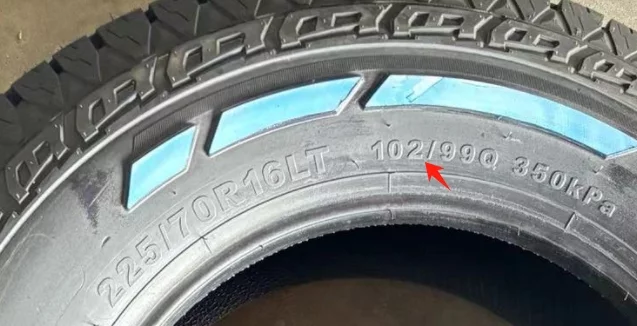
When replacing your tires, always choose tires with the same or higher load index rating than the Original Equipment (OE) tires. If your car doesn’t have its OE tires, you can find the manufacturer’s recommended load rating in the owner’s manual or the placard on the driver’s side doorjamb.
Most tire installers will not sell or install a lower load-rated tire than the OE recommendation due to liability concerns. This is because if you install tires with a lower load index rating, you’re more likely to overload your tires. Overloaded tires are more prone to damage, blowouts and premature wear.
1.In a dual-tire setup, excessive load can cause the tires to rub against each other due to reduced spacing. Additionally, the narrowed gap between the tires restricts airflow, leading to poor heat dissipation.
2.Dual tires are rarely perfectly balanced in inflation or wear. A slightly underinflated or smaller tire will carry more of the load, which increases the risk of failure.

The load index ensures tires safely support a vehicle’s weight. Ignoring it can cause tire failure, unsafe driving, and legal issues. Understanding and following the correct load index improves safety, performance, and tire life. Always check the vehicle manual or consult a tire professional when selecting tires.
A well-informed choice in tire load index contributes to a smoother, safer, and more efficient driving experience. Never underestimate its importance—your safety on the road depends on it. By understanding this rating, drivers can make informed decisions and maintain their vehicle’s reliability under various load conditions.
As vehicle cabins become quieter, tire noise has become one of the main sources of unwanted sound, especially at medium and high speeds. Noise-reducing tires are developed to address this issue directly at the tire–road interface, where most road noise is generated. Decibel scale: from quiet to road noise (Source: Continental) Where Tire Noise Comes FromFrom […]
Discover More
This research strives to enhance the safety of multi-piece wheel assemblies as injuries and fatalities are associated with their failure, yet information on this topic is limited.Experiments were performed to determine mechanical performance and planar deformation characteristics of several tires to aid in numerical model development. For a 29.5-29 tire, observations included determining vertical versus […]
Discover More