
By TNREDITOR
01 Nov, 2025
Careful measurements are critical to choose the right wheel rims for your vehicle, especially when you are unsure the size of your wheels or you don’t have the wheel drawing of the wheel.
To get started measuring, you’ll need a measuring tape, a straight edge ruler, and an optional caliper.
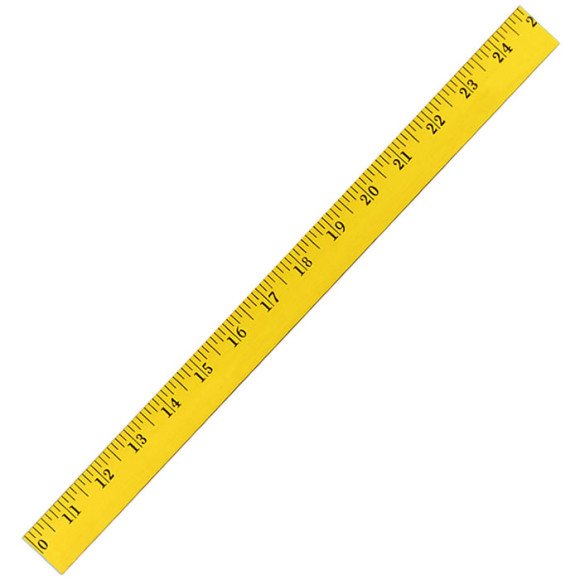
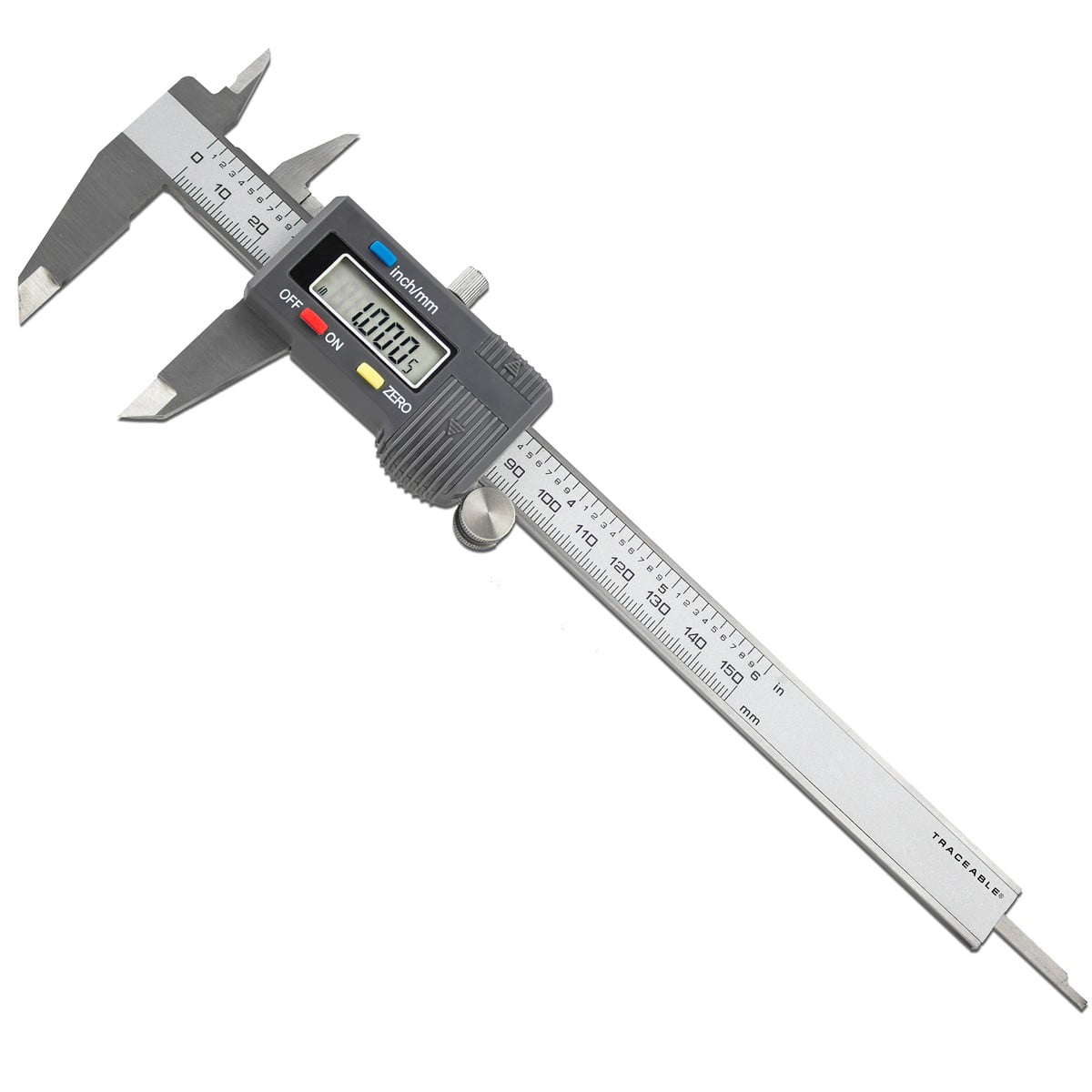
The key dimensions you’ll need are listed below:
To determine a wheel size, simply find your tire size on the side of your tire, then we can confirm the rim size. If you are not sure about the rim size, we need to measure the rim diameter and width.
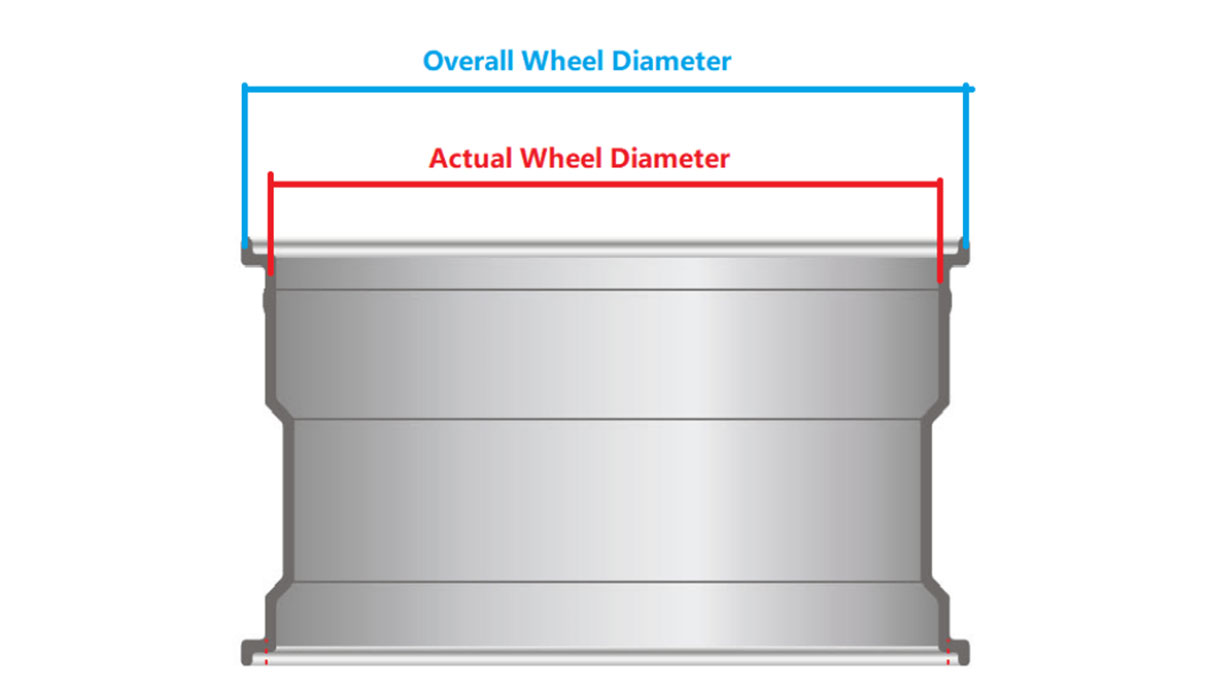
Wheel Diameter: Wheel diameter refers to the wheel’s bead seat diameter and isn’t measured at the outside edge of the rim itself.
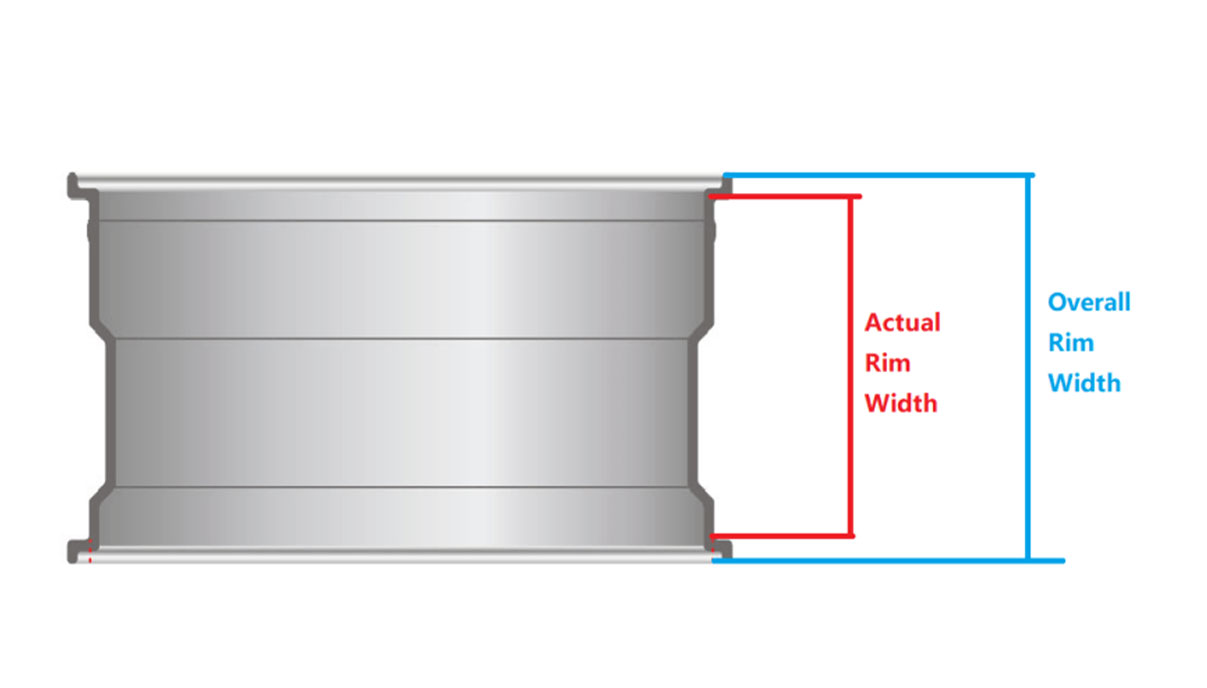
Wheel width: Rim width is measured between the bead walls, not at the overall width.
Using a tape measure, measure the overall diameter/width from one side of the rim to the other side, you can ignore the flange to get the actual diameter and width.
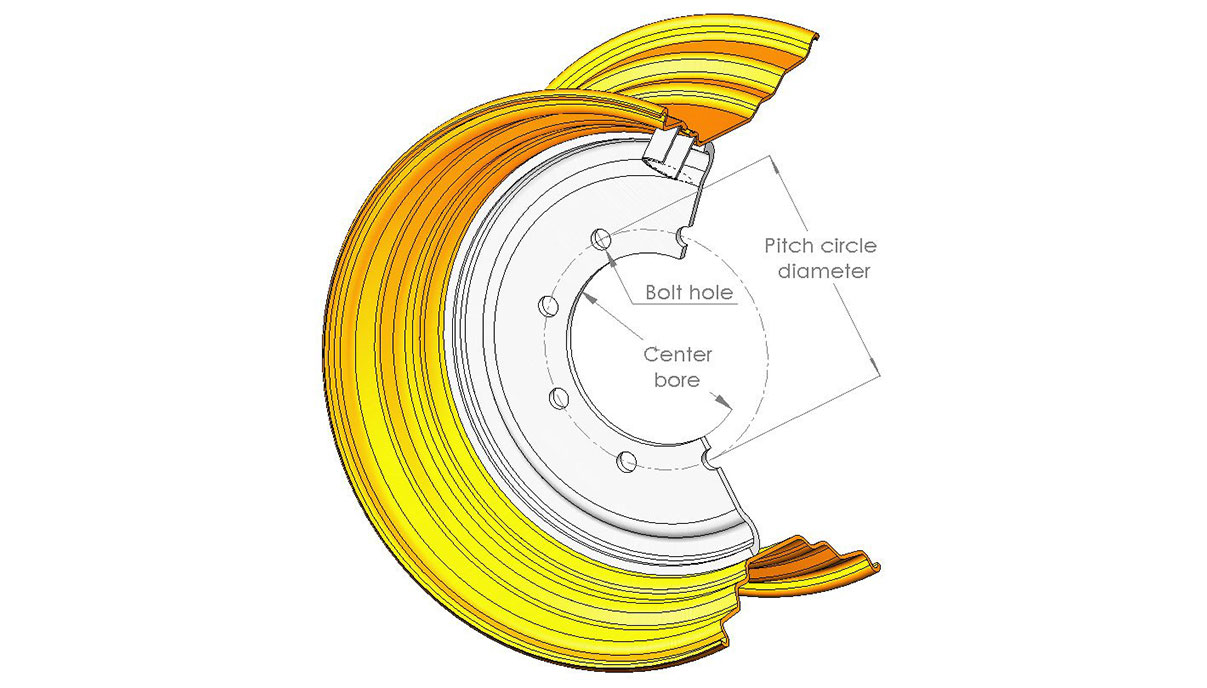
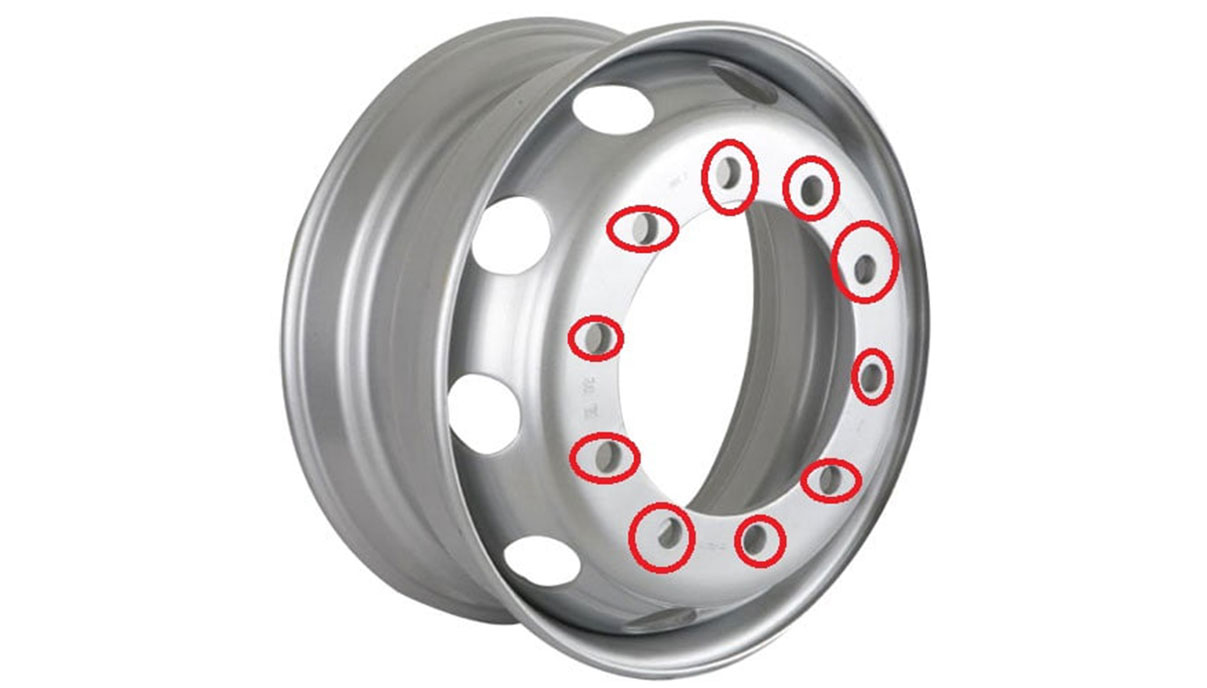
Simply count the number of the bolt holes in the rims.
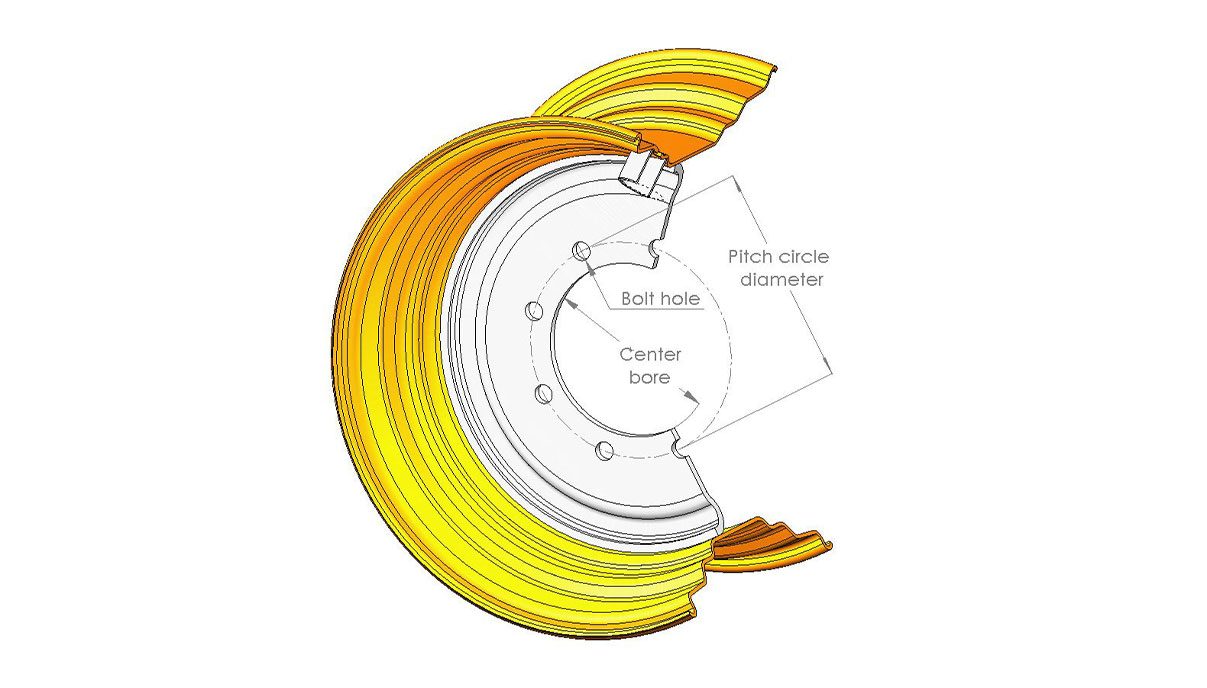
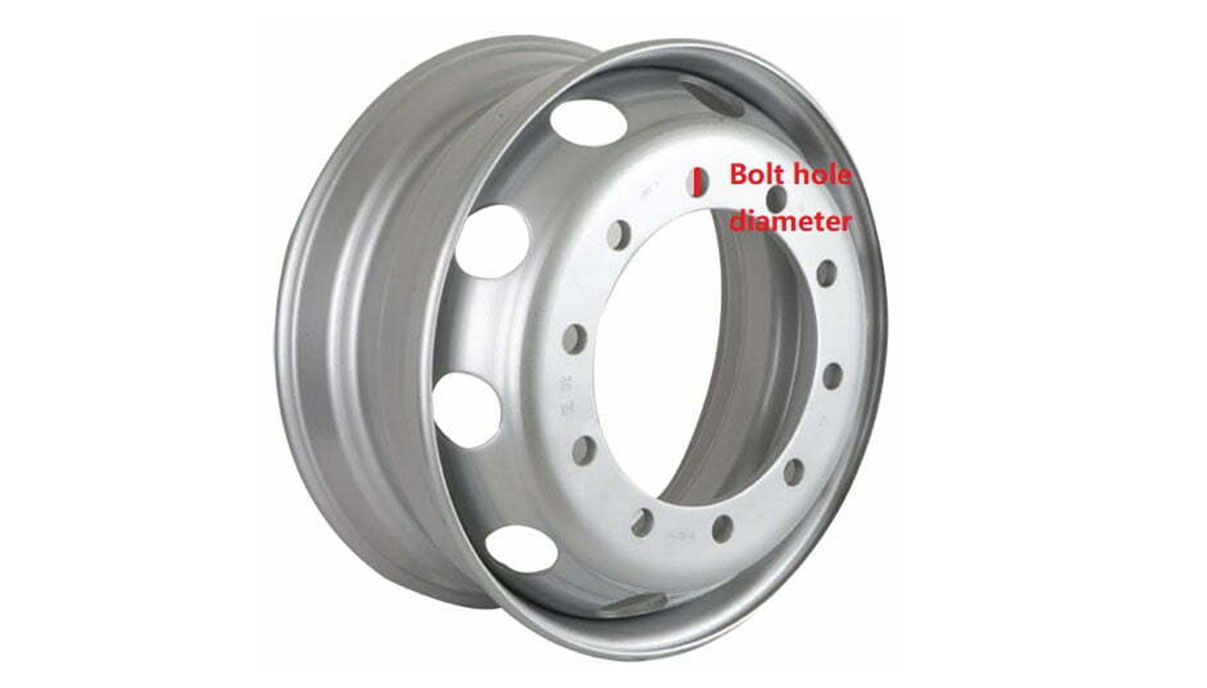
Measure the diameter of one individual bolt hole.
Use a caliper for better accuracy.
Measure the diameter of the center hole by choosing two points directly across from each other
(max width of the circle)
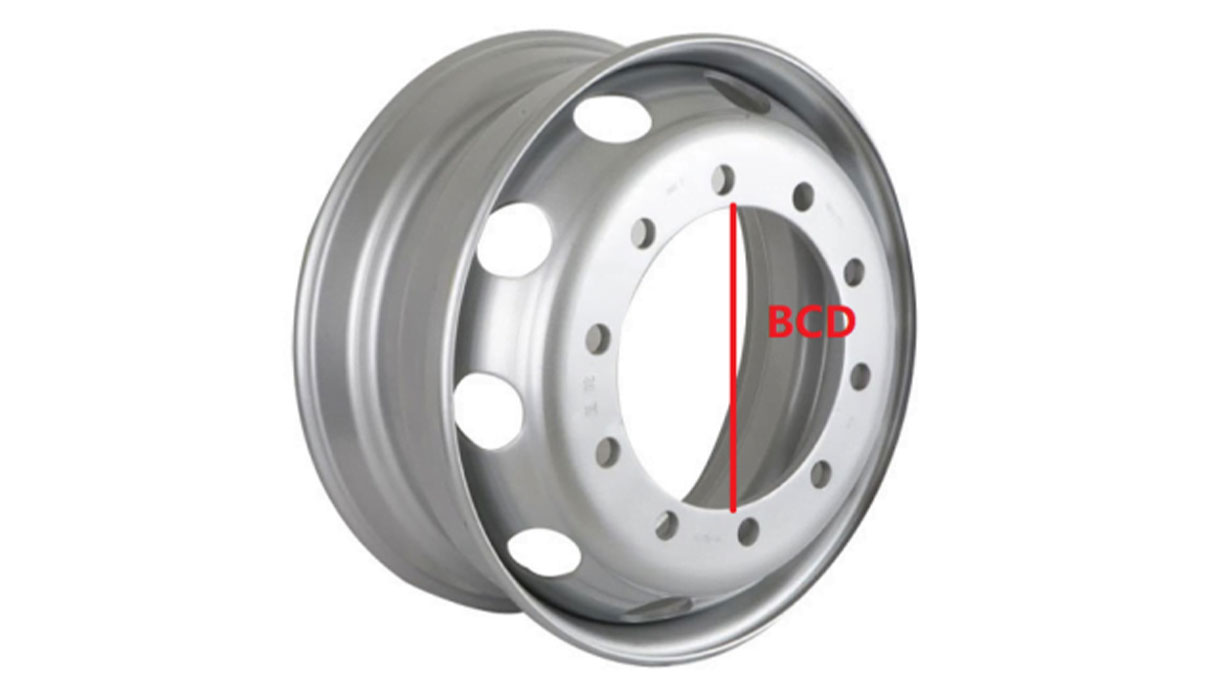
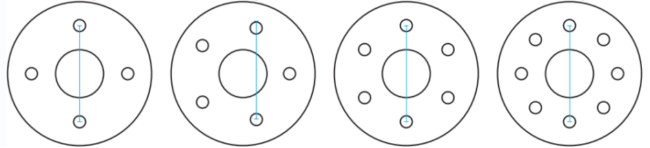
PCD: Pitch Circle Diameter is the diameter of the circle that passes through the center of all studs, wheel bolts or wheel rim holes.
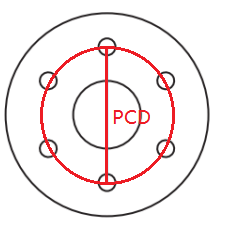
Ways to measure different numbers of bolts holes.
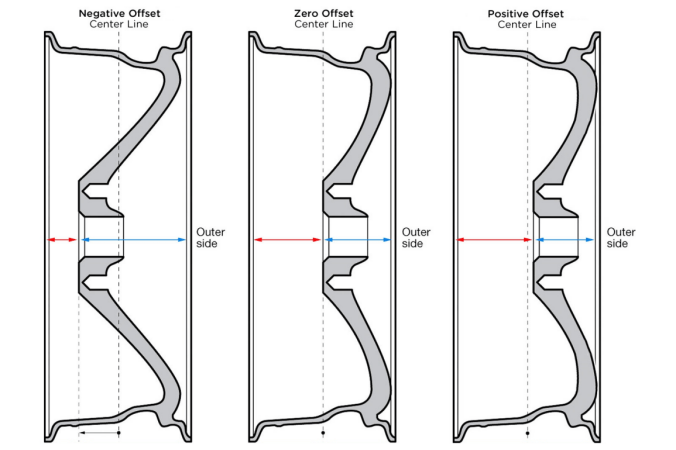
The offset of a wheel is the distance from the mounting face (center disc) to the center line of the wheel.
Usually, offset is measured in millimeters and results in three different types of offsets.
PS: The mounting face refers to the backside of the center of a rim where your bolt pattern is. It faces the brake disc on a wheel.
Positive Offset: The mounting face is in front of the center of the wheel
Negative Offset: The mounting face is behind the center of the wheel.
Zero Offset: The back of the mounting face is in the center line of the rim.
Overview The study focused on the tyre life on the main haul fleet at an open pit iron ore mine. The haul fleet consisted of 17 Komatsu 730 (180 t) haul trucks and 12 CAT 777 (90 t) haul trucks. The haulage operation consists entirely of tyre-based haul trucks. Five per cent of the total […]
Discover More
As vehicle cabins become quieter, tire noise has become one of the main sources of unwanted sound, especially at medium and high speeds. Noise-reducing tires are developed to address this issue directly at the tire–road interface, where most road noise is generated. Decibel scale: from quiet to road noise (Source: Continental) Where Tire Noise Comes FromFrom […]
Discover More