
Is Heavier Always Better for Tires?

Is Heavier Always Better for Tires?

By TNREDITOR2

20 Nov, 2026
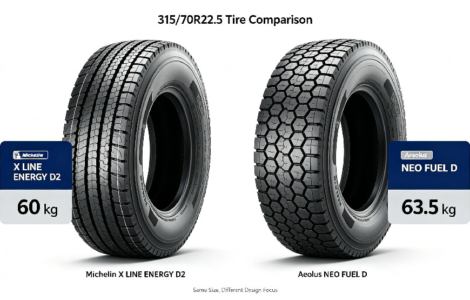
When two tires come in the same size, it is tempting to assume that the heavier one has better quality.

Is it true?

Factors Affecting Tire Quality

Consider two drive tires in the same size, 315/70R22.5, here is an example. 

While Aeolus offers high-quality  tires, Michelin is widely regarded as setting a higher benchmark for quality and performance. The lighter weight of the Michelin tire therefore illustrates why greater weight alone should not be taken as a sign of better quality.

This comparison illustrates why weight alone is a poor guide to tire quality.

Three factors are especially important in determining tire quality. They are the quality and consistency of the raw materials, advanced manufacturing technology backed by careful process control, and proven rubber compounds formulated for the intended application.

What Determines Tire Weight?

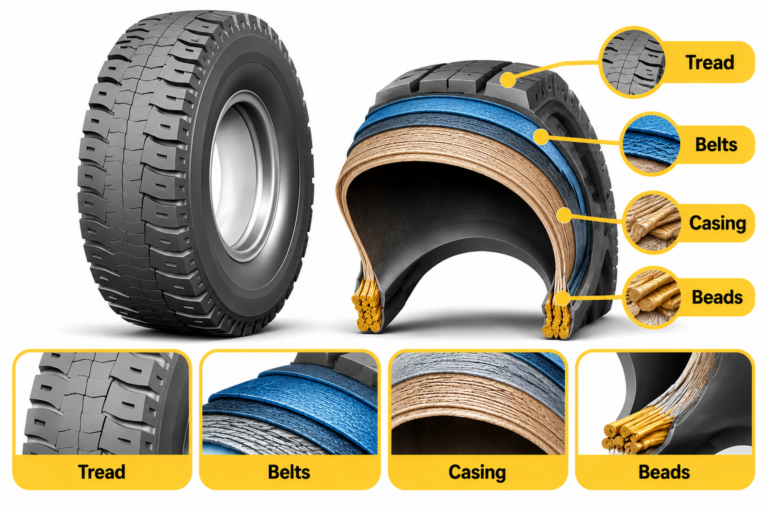
Tire weight depends on the amount and density of the materials used across the tire. Even in the same size, two tires can differ in tread width and depth, the amount of rubber in the tread pattern, and the reinforcement used in the casing, belts and beads. These differences reflect design choices made for different types of service.

Tires need enough material in the tread, casing and belts to meet their performance requirements. An unusually low weight for a tire of the same size, load rating and intended use can be a reason to ask whether material was reduced to cut costs. A well-engineered tire can also be lighter through better materials or construction.

What Can Tire Weight Tell You About Performance?

Fuel Efficiency

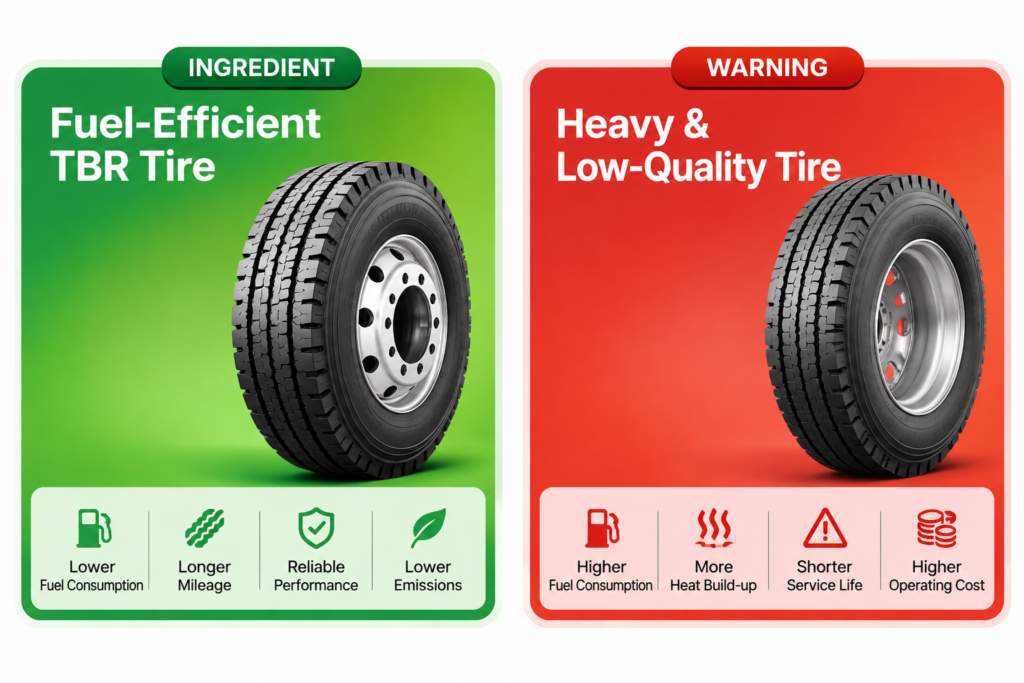
Tire weight adds to the mass the truck carries. Rolling resistance is a separate measure of the energy lost as the tire rolls. Compare measured rolling resistance when judging the fuel efficiency of two models.

Consider a 40-tonne tractor-trailer that travels 150,000 km a year and averages 28 L/100 km. It uses about 42,000 litres of diesel a year. If ten tires on the vehicle each weigh 4 kg more, the extra 40 kg could add roughly 19 to 37 litres per year on level roads. This is a rough estimate based on published research on vehicle weight and fuel use. It assumes the same payload and operating conditions and isolates the effect of added mass.

Heat Management

Tire weight alone tells you little about how hot a tire will run in service.Tire construction, inflation pressure, load, speed and ambient temperature all affect how hot a tire runs. To compare heat performance, look for test data collected under comparable conditions, especially for routes with sustained speeds and high loads.

Durability and Service Life

Weight alone cannot predict how long a tire will last or what will cause it to be taken out of service.Look at how and why tires come out of service. A highway fleet may track tread mileage and uneven wear, while a fleet that regularly drives on gravel may record tread chipping and casing damage. If you retread, ask how often used casings pass inspection.

When Does a Heavier Truck Tire Make Sense?

For trucks that regularly carry heavy loads over rough roads, a reinforced casing and belt package can help the tire withstand demanding service. On gravel or at worksites, a tread compound designed to resist cuts and chipping may matter just as much. The right design depends on where the truck runs and what typically wears out or damages its tires.

The MICHELIN X MULTI HD D is a drive tire for regional trucks that spend most of their time on paved roads but regularly enter worksites or rough loading areas. According to Michelin, the 315/80R22.5 version uses 18% more tread rubber than the same-size XDE2+. Michelin links that additional tread rubber to improved resistance to damage.

Let the Route Guide Your Choice

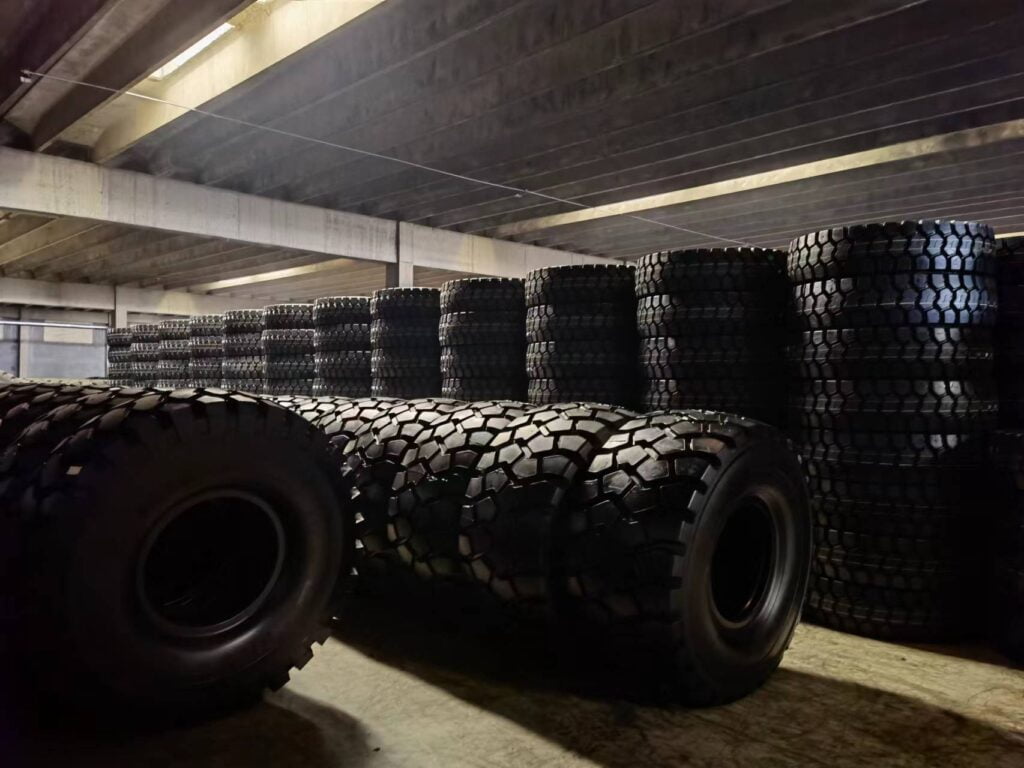
Picture two tires side by side in a warehouse. Before choosing one, think about where the truck will spend its next shift. Is it cruising on the highway or making repeated trips into a gravel worksite?

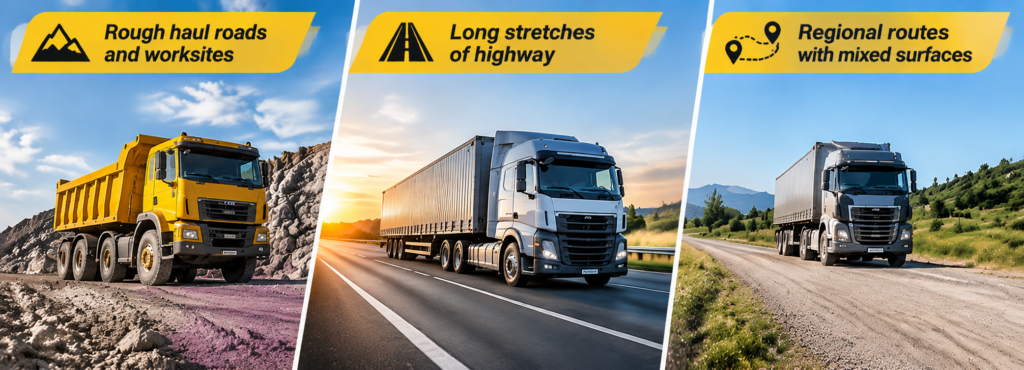
Where the truck operates

What to compare

Rough haul roads and worksites

A suitable load rating, casing durability, and tread resistance to cuts and chipping

Long stretches of highway

Measured rolling resistance and tread mileage from comparable highway service

Regional routes with mixed surfaces

Traction on loose surfaces, even wear on pavement, and damage resistance on gravel

Before ordering, confirm the size, axle position, load and speed ratings, and the manufacturer’s recommended inflation pressure for your operating loads. Ask the supplier for the documents and tire markings required in your destination market.

When two tires suit the same job, compare their cost per kilometre using mileage records from similar routes and loads. Include fuel, maintenance and retreading where reliable figures are available.

The same principles apply to passenger car, agricultural, industrial and off-the-road tires. Raw materials, manufacturing technology and compounds tailored to the application all contribute to quality across these categories. The applicable standards and performance priorities vary with the tire type and the work it does.

A few kilograms are easy to spot on a spec sheet. Their value depends on what the tire delivers in service.

Continue Reading

View All