
By TNREDITOR
13 Oct, 2025
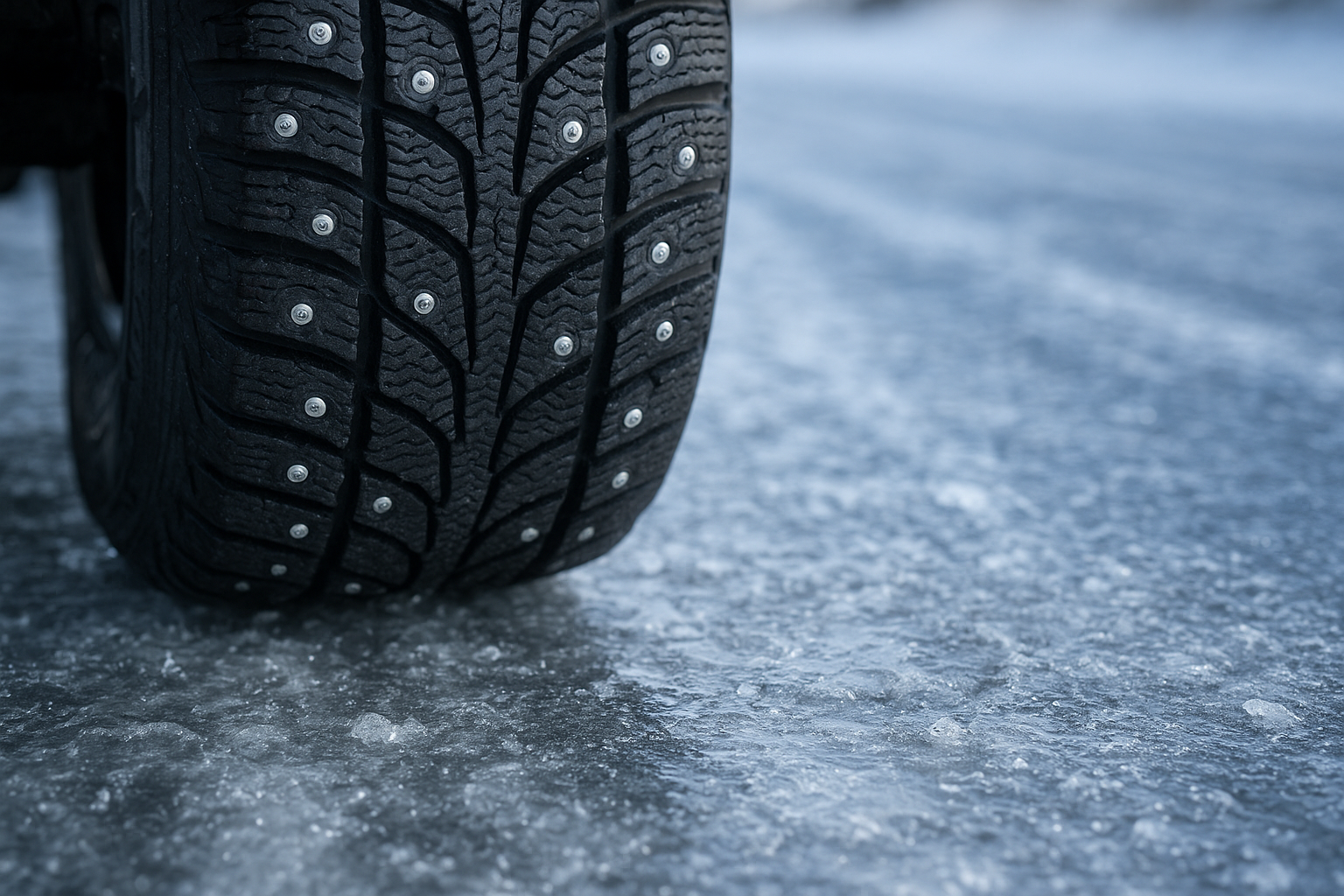
Winter roads can turn into a glassy dance floor — beautiful, but one wrong move and you’re spinning.
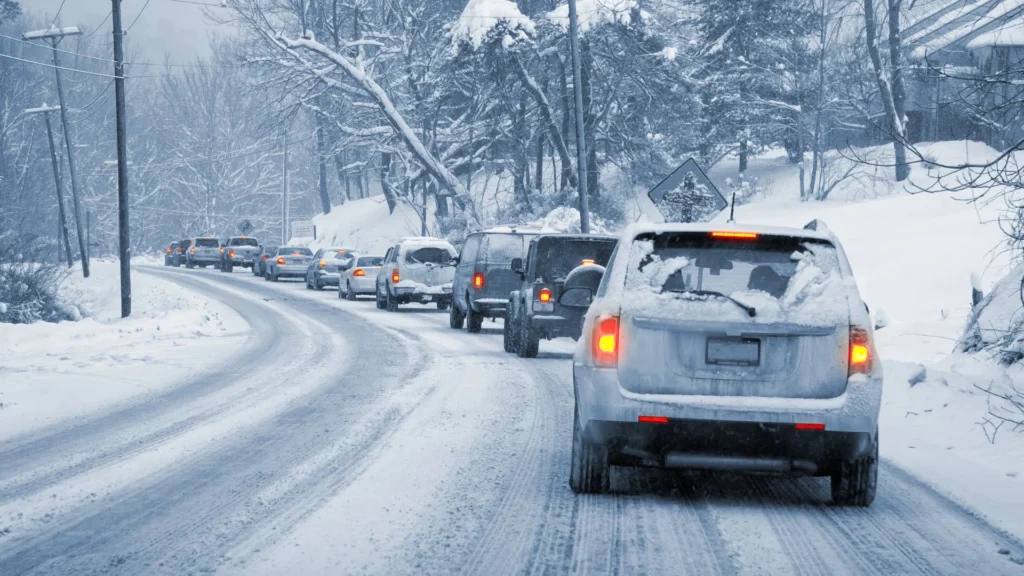
That’s when studded winter tires become your secret weapon.
They’re not your everyday snow tires — they’re built for the ICIEST DAYS, when regular rubber just can’t keep up.
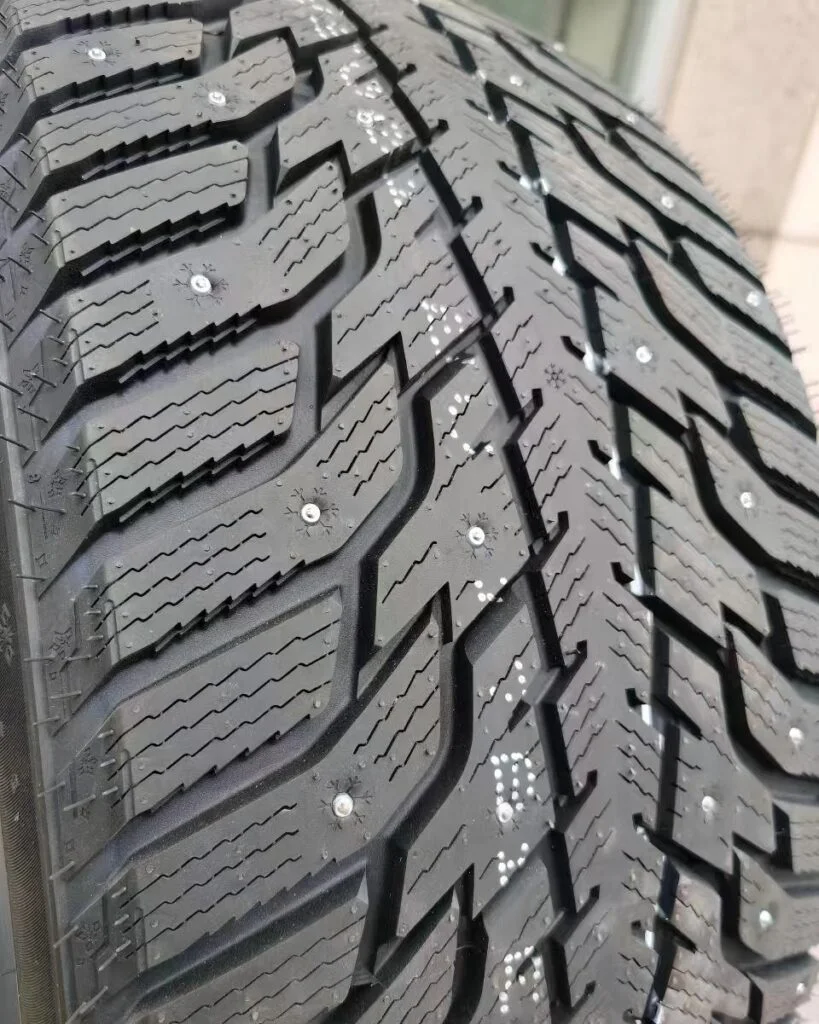
Think of tiny metal claws BITE into frozen pavement — that’s what studded tires do. Each tire is armed with dozens of sharp metal studs that dig into ice and snow, holding firm where ordinary tires would slide helplessly.
The rubber surrounding the studs is specially formulated for winter. Soft and flexible in freezing temperatures, it still molds to the road’s surface, so you get the best of both worlds: studs for bite, rubber for grip.
Every winter driver faces the same question: studs or studless?
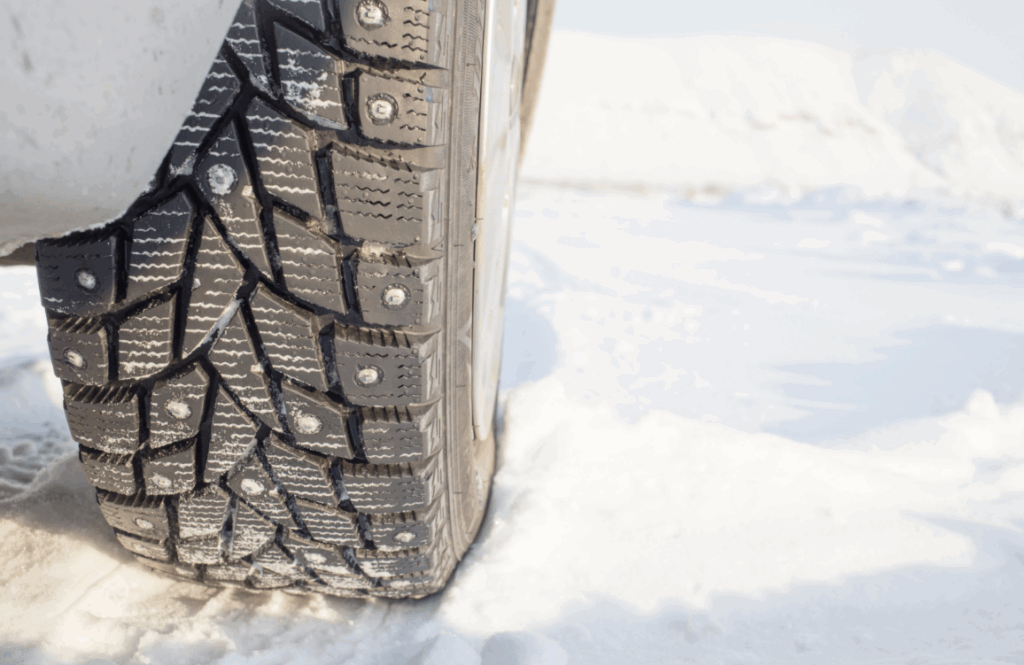
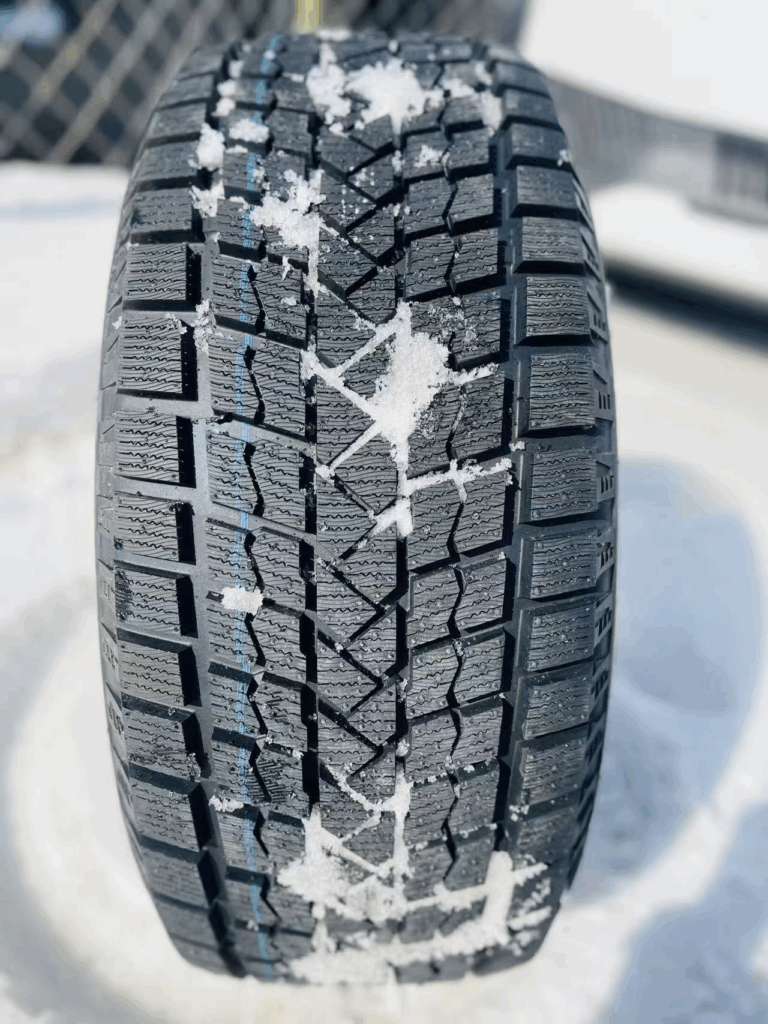
Studded tires are like ice climbing boots — perfect for sheer ice.
Studless tires are like good hiking boots — versatile across most winter terrain.
On pure ice, studded tires can shorten braking distances by several meters and give you better control in corners. They also help with acceleration on hard-packed snow.
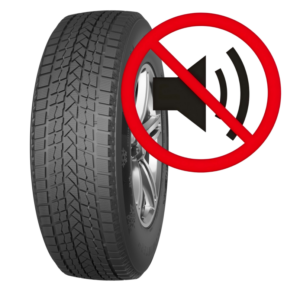
But on wet, slushy, or clear roads, studs can become noisy and rough. They grind pavement, kick up fine mineral dust, and slightly reduce fuel efficiency.
The good news? Tire engineers are improving designs: new stud materials and shapes reduce road wear, and some even use retractable or eco-friendly studs. These days, studless tires can hold their own on ice better than ever.
Here’s a simple way to decide what’s right for you:
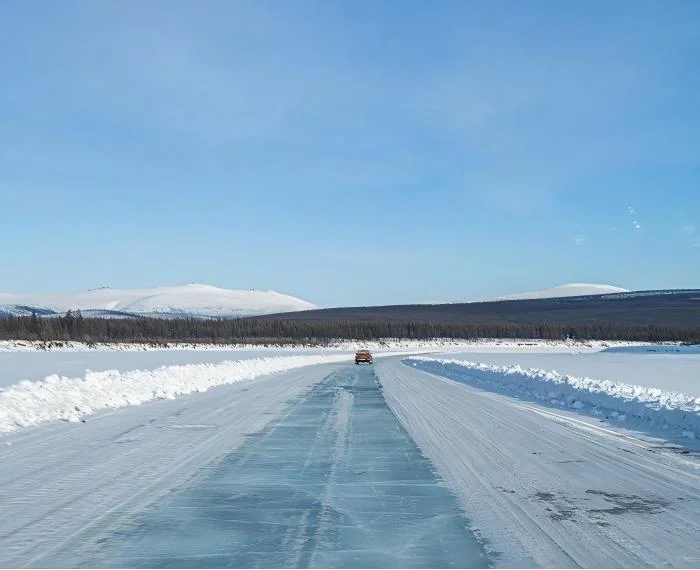
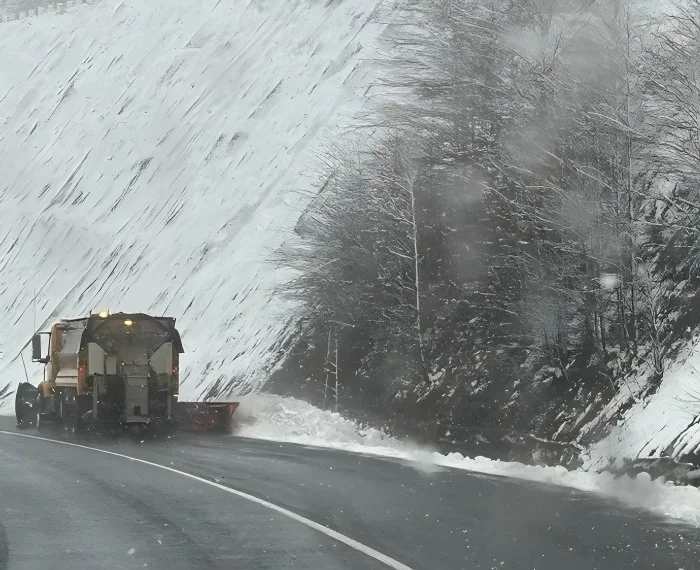
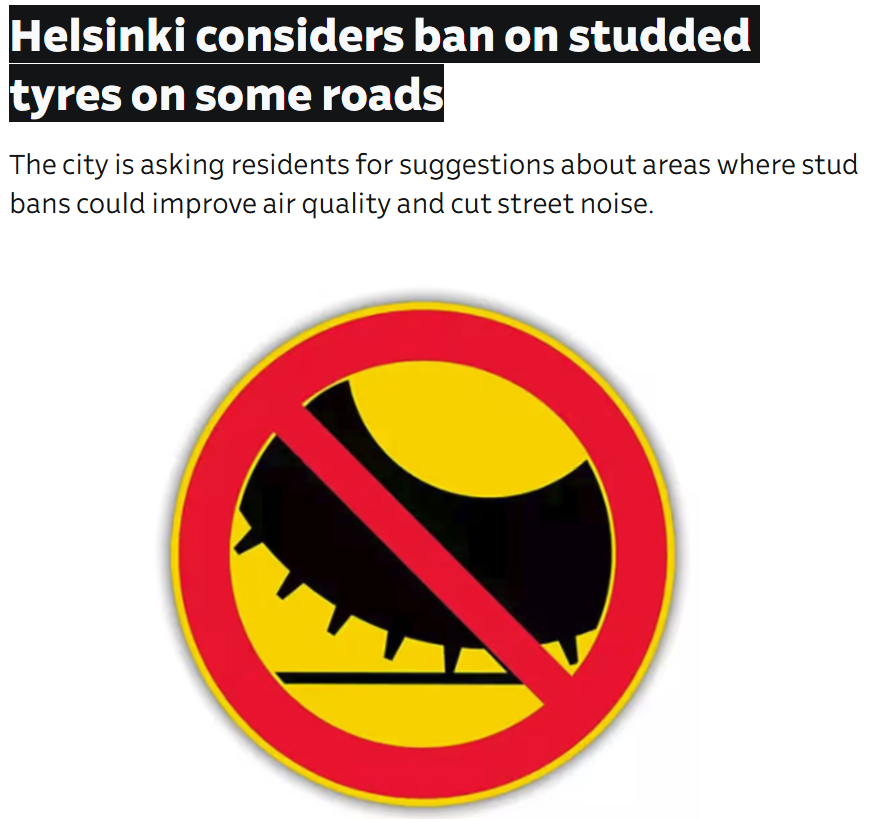
Some areas limit studded tires to certain months or ban them entirely
Heavier vehicles wear out studs faster and may increase pavement wear.
Studded winter tires are the kings of ice — nothing grips frozen ground like metal studs. They bring confidence when roads feel like skating rinks.
But for many drivers, modern studless tires now cover most winter conditions — quieter, gentler on roads, and with fewer legal hassles.
The smartest move? Pick your tires based on your climate, your roads, and your driving style. Because surviving winter isn’t about brute force — it’s about balance, control, and keeping your wheels on the road (not you on the pavement).
Still unsure? Contact our winter tire experts — we’ll help you pick the perfect set!
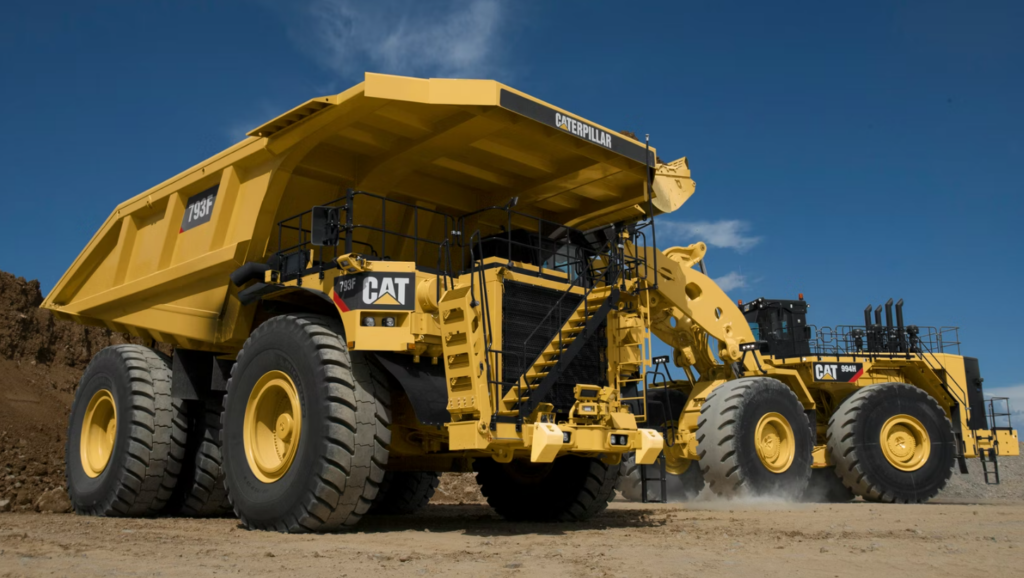
Overview The study focused on the tyre life on the main haul fleet at an open pit iron ore mine. The haul fleet consisted of 17 Komatsu 730 (180 t) haul trucks and 12 CAT 777 (90 t) haul trucks. The haulage operation consists entirely of tyre-based haul trucks. Five per cent of the total […]
Discover More
As vehicle cabins become quieter, tire noise has become one of the main sources of unwanted sound, especially at medium and high speeds. Noise-reducing tires are developed to address this issue directly at the tire–road interface, where most road noise is generated. Decibel scale: from quiet to road noise (Source: Continental) Where Tire Noise Comes FromFrom […]
Discover More